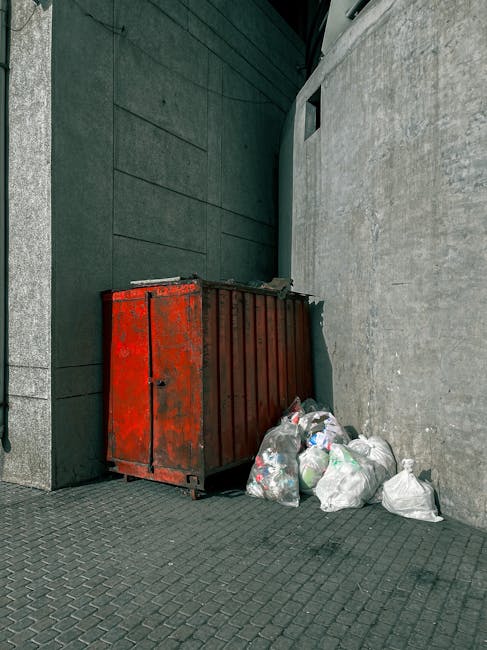
Reigate and Banstead Council rules for skip permits and rubbish: a practical local guide
If you are planning a clear-out, DIY project, or building job in Reigate and Banstead, the rules around skip permits and rubbish can catch you out faster than you'd expect. One minute you are booking a skip, the next you are wondering whether it can sit on the road, what counts as controlled waste, and who is actually responsible if something goes wrong. That's exactly where understanding Reigate and Banstead Council rules for skip permits and rubbish saves time, stress, and the kind of avoidable delay that turns a tidy project into a messy one.
In this guide, we break everything down in plain English: when a skip permit is usually needed, what rubbish can and cannot go in, how to plan a collection properly, and how to avoid the common mistakes that lead to fines, rejected loads, or extra charges. We'll also look at the practical alternatives if a skip is not the best fit. Simple, useful, no faff.
Why Reigate and Banstead Council rules for skip permits and rubbish Matters
Skip rules matter for one very practical reason: if you get them wrong, everything slows down. A skip placed on private land is usually straightforward. Put it on a public road, verge, or pavement area, and you may need permission before it arrives. That is not just a box-ticking exercise. It is about safety, traffic flow, access, and making sure waste is managed responsibly.
In a busy area, even a small skip can affect parking, pedestrians, visibility at junctions, and neighbours' access. You'll notice the impact most when a road is narrow or cars are already packed tightly at the end of the day. To be fair, it only takes one badly positioned skip to make everybody irritated for a week.
The rubbish side matters just as much. A skip is not a magical bin for everything. Different waste types have different handling requirements, and some items can make a load unsafe, illegal, or far more expensive to dispose of. If you are clearing a house, stripping a kitchen, or dealing with garden waste after a big tidy-up, knowing the difference between ordinary mixed waste and restricted materials is half the battle.
For people managing larger clearances, the topic also connects neatly with services such as house clearance, home clearance, and builders waste clearance. Those services can reduce the need to work out every detail yourself, especially if the volume or type of rubbish is awkward.
How Reigate and Banstead Council rules for skip permits and rubbish Works
The basic idea is simple. If a skip is placed entirely on private land, such as a driveway or private yard, permit requirements are usually different from when it sits on the public highway. If it needs to go on the road, you will normally need some form of authorisation. The exact procedure can vary, so the safest approach is to confirm the current local requirements before delivery is arranged.
There are three moving parts to think about:
- Location: where the skip will sit matters most.
- Waste type: what you put in affects safety and disposal options.
- Responsibility: someone must ensure the skip is placed, used, and collected properly.
In day-to-day terms, many problems happen because people focus only on the size of the skip and forget the rest. A driveway may seem large enough, but if a van needs access, or the skip blocks turning space, it quickly becomes a nuisance. On the other hand, a skip on a road may be convenient but it brings permit and safety considerations with it.
Rubbish rules are equally practical. General household waste, garden cuttings, furniture, packaging, and light construction debris are commonly handled in skips, but restricted items often require separate treatment. It helps to think in categories rather than individual objects. For example, old chairs and broken shelving are usually one thing; fridges, tyres, gas cylinders, asbestos, chemicals, and electrical items can be another story entirely.
If your project involves mixed waste across several rooms or spaces, it can make sense to use a specialist collection instead of trying to manage everything through one skip. A service like waste removal may be a better fit where access is awkward, waste is bulky, or you want a more hands-off approach.
Key Benefits and Practical Advantages
Getting the skip permit and rubbish rules right has clear benefits, and not just in a legal sense. The biggest advantage is control. You know where the waste is going, how long it will be there, and what kind of load you are dealing with. That makes planning much easier.
Here are the main practical upsides:
- Fewer delays: no last-minute scramble because a skip cannot be placed as planned.
- Better budgeting: you can reduce surprise charges by separating prohibited items early.
- Safer working areas: a well-placed skip reduces trip hazards and clutter.
- Cleaner progress: the job feels more organised when waste leaves in batches, not piles.
- Less neighbour friction: sensible placement and tidy loading make everybody happier. Usually.
There is also a big efficiency gain when rubbish is sorted before collection. For example, old furniture and general household clutter may be suited to one plan, while mixed renovation waste may need another. If you are clearing an attic or garage, services like loft clearance and garage clearance can be especially useful because they reduce the amount of sorting you have to do in a cramped space.
And let's face it, nobody enjoys standing in a cold driveway at 7:30 in the morning trying to decide whether a damp mattress should go in the skip or not. A clear plan solves that quickly.
Who This Is For and When It Makes Sense
This guidance is useful for homeowners, landlords, tenants, builders, tradespeople, letting agents, and business owners alike. If you are dealing with more rubbish than council bins can sensibly handle, the rules start to matter.
It makes sense to pay close attention if you are:
- renovating a kitchen or bathroom
- clearing out a house after a move or bereavement
- managing a garden overhaul with soil, branches, and green waste
- stripping out an office or shop unit
- dealing with bulky furniture, loft clutter, or garage junk
- working on a building project where waste builds up fast
If you are in a flat, access can be the deciding factor. Stairwells, shared entrances, residents' bays, and limited parking all complicate the picture. That is where flat clearance can be a better option than trying to shoehorn a skip into a tricky space.
For businesses, the issue is often speed and discretion. You may need rubbish removed outside opening hours or without disrupting staff and customers. In that case, office clearance and business waste removal are worth considering.
Step-by-Step Guidance
Here's a simple way to approach the whole thing without overcomplicating it.
- Identify where the skip or waste container will sit. Private driveway, front garden, yard, road, or other public space? This is the first decision because it shapes everything else.
- Estimate the waste type and volume. Are you clearing general rubbish, garden material, light construction debris, furniture, or a mixed load?
- Check whether a permit is likely needed. If the skip may sit on public land, confirm the local permit process before booking.
- Sort out restricted items early. Keep out anything that may need specialist handling, like fridges, tyres, paint tins, batteries, or hazardous materials.
- Choose the right disposal method. A skip, man-and-van collection, full property clearance, or a specialist service may be the best fit depending on the job.
- Prepare access in advance. Make room for delivery, collection, and any loading. Clear parked cars if needed and think about turning space.
- Load the waste properly. Keep it level with the top edge unless the provider says otherwise. Overfilled skips are a common headache.
- Keep an eye on timing. Don't leave waste sitting around longer than necessary, especially if weather, neighbours, or access are issues.
That sequence sounds basic, but it prevents most problems before they start. There is a lot to be said for boring, tidy planning. Boring is good, frankly.
If the job involves bulky unwanted furniture, it may also be worth combining the clearance with furniture disposal or furniture clearance so you are not paying for unnecessary skip space.
Expert Tips for Better Results
A few small choices can make the whole process smoother. In our experience, these are the things people forget most often.
- Use a room-by-room sort first. A quick sort in the kitchen, loft, shed, or garage helps you spot restricted items early.
- Flatten boxes and bags. It sounds tiny, but compressed waste gives you more usable space than a pile of unbroken packaging.
- Keep heavy waste low and spread out. That makes the skip safer to load and easier to remove.
- Separate green waste where possible. Garden cuttings, hedge trimmings, and soil can behave differently from mixed rubbish.
- Plan around delivery times. If the skip comes at 8 a.m., make sure the space is free before then. Not after. Before.
- Take a quick photo of the filled skip. It can help if there is later confusion about what was loaded or how full it was.
For outdoor clearances, a dedicated service such as garden clearance may be cleaner and easier than using a skip for everything. That is especially true if you have branches, turf, old fencing, and general bagged waste all mixed together.
One practical tip that saves arguments: keep a "maybe not" pile separate from the main waste pile. If you are unsure about an item, do not throw it in just yet. That single habit avoids a surprising number of problems.
Common Mistakes to Avoid
Most skip-related issues are not dramatic. They are just annoying, which is almost worse. Here are the regular culprits.
- Booking the wrong size. A skip that is too small fills instantly; one that is too large wastes money and space.
- Assuming a permit is not needed. If the skip ends up on the road, assumptions can become expensive.
- Mixing prohibited waste with general rubbish. This can lead to rejected loads or extra handling charges.
- Overfilling the skip. Waste stacked too high can be unsafe to collect.
- Blocking access or parking. Neighbours, drivers, and delivery teams all notice.
- Leaving the booking until the last minute. That is how people end up stressed and paying more than they planned.
Another mistake is treating a clearance as a single task instead of a sequence. For example, a house clean-out might involve a loft, garage, a few pieces of furniture, and some general rubbish. That often works better as a combination of house clearance, garage clearance, and loft clearance rather than one oversized skip booking.
And yes, it is perfectly normal to underestimate how much rubbish there is. Everyone does it once. Sometimes twice.
Tools, Resources and Recommendations
You do not need fancy equipment to deal with skip permits and rubbish properly, but a few simple tools help a lot:
- Tape measure: useful for checking access, gate widths, and available space.
- Phone camera: take photos of the proposed skip location and the waste before collection.
- Basic labels or marker pen: helps you separate keep, donate, recycle, and dispose piles.
- Gloves and sturdy footwear: sensible for lifting awkward items and avoiding scrapes.
- Checklist or notes app: especially useful if several rooms or people are involved.
For many readers, the useful decision is not just "skip or no skip?" but "which disposal method makes the whole job easier?" If the waste is bulky, awkward, or time-sensitive, a quotation for pricing and quotes can help you compare options properly before you commit.
It is also worth reviewing practical company information such as recycling and sustainability, insurance and safety, and health and safety policy where relevant. These pages help you understand how a provider handles risk, disposal standards, and responsible working practices.
Law, Compliance, Standards, or Best Practice
When discussing skip permits and rubbish, it is wise to be careful with wording. Local permit processes, road rules, and waste handling requirements can change, and some situations need direct confirmation from the council or the waste contractor before anything is booked. So, the best practice is to verify the current position rather than rely on memory or a neighbour's experience from last year.
From a compliance point of view, the main points are straightforward:
- Do not assume highway placement is allowed without permission.
- Keep waste segregated if certain items need specialist handling.
- Make sure access, visibility, and safety are considered.
- Use a responsible carrier for waste removal.
- Keep records or confirmation details where possible.
Good practice is often better than flashy shortcuts. That means booking the right container, checking the site conditions, identifying restricted waste, and allowing enough time for delivery and collection. If you are managing a commercial property, that disciplined approach becomes even more important because staff, customers, and compliance all overlap.
For businesses, a formal approach to storage, loading, and removal is usually the safest route. If you are clearing an office or retail space, the service pages for office clearance and business waste removal can help frame the job in a more organised way.
Options, Methods, or Comparison Table
Not every waste job needs the same solution. Here is a simple comparison that helps you think through the options without overcomplicating things.
| Option | Best for | Main advantage | Potential drawback |
|---|---|---|---|
| Skip on private land | Driveways, yards, easy-access clear-outs | Convenient and visible for ongoing loading | Needs space and careful loading |
| Skip on public road | Properties without private access | Useful where driveway space is unavailable | May need permission and tighter planning |
| Man-and-van waste removal | Bulky items, lighter loads, awkward access | Less space needed and often quicker | Not ideal for very large volumes |
| House or flat clearance | Whole-property or room-by-room clear-outs | Hands-off and efficient for mixed contents | Less direct control over every item if you want to sort everything yourself |
| Specialist builders waste collection | Renovation and construction debris | Suited to heavy, mixed site waste | Needs clear waste description |
If you are unsure, start with access. Access usually decides the rest. A tight street, limited parking, or a shared entrance can make a simple skip more trouble than it is worth.
Case Study or Real-World Example
Here is a typical local scenario. A homeowner in Reigate is clearing out a garage before a small renovation. There are broken shelves, old paint tins, cardboard boxes, a rusty bike, and a few bags of garden rubbish from the back patio. At first glance, a skip looks like the obvious answer.
Once they check the driveway, though, they realise a skip would block access to the car and leave little room to work. On top of that, some of the items need separate handling. Rather than forcing everything into one container, they split the job into categories: general rubbish, garden waste, furniture they no longer want, and a couple of items that need special attention.
They end up using a mix of services: garage clearance for the clutter, garden clearance for the outdoor waste, and a small waste removal collection for the remaining mixed items. The job is tidier, faster, and less stressful. A bit less dramatic too, which is always a bonus.
That sort of approach is often better than defaulting to a skip. Not because skips are bad, just because the best tool depends on the site, the rubbish, and the timing.
Practical Checklist
Use this checklist before you book anything.
- Confirm where the skip or waste container will go.
- Check whether the space is private or public.
- Measure access points, gates, and driveway width.
- List the main waste types you need to remove.
- Separate anything you suspect may be restricted.
- Decide whether a skip, clearance, or waste removal service is the best fit.
- Allow room for loading and collection vehicles.
- Keep the load level and safe.
- Ask about timing and collection windows.
- Keep any confirmation details handy.
Expert summary: the smoothest waste projects usually come down to three things - good access planning, sensible sorting, and choosing the right disposal method first. Get those right and the rest tends to fall into place.
Conclusion
Reigate and Banstead Council rules for skip permits and rubbish are not complicated once you break them into the basics: where the skip sits, what goes in it, and how carefully the job is planned. The real risks come from assumptions. People assume a skip can go anywhere, assume all rubbish is interchangeable, or assume there will be time to sort everything later. Usually, there isn't.
Take a calm, practical approach instead. Check access, separate awkward waste, think about the best disposal method, and choose a service that fits the property rather than forcing the property to fit the service. That mindset saves money and reduces hassle, and honestly, it makes the whole job feel more manageable.
If you want a simpler route, compare your options early and choose the one that keeps the project moving without unwanted surprises.
Get a free quote today and see how much you can save.
And if the job feels a bit bigger than you first thought, that's perfectly normal. A clear plan now usually means a much calmer day later.
Frequently Asked Questions
Do I need a skip permit in Reigate and Banstead if the skip is on my driveway?
If the skip is fully on private land, a permit is often not needed, but you should still check access, space, and any property-specific restrictions. If part of it sits on the road, permit requirements may apply.
What kind of rubbish can usually go in a skip?
General household waste, garden waste, furniture, packaging, and many types of light renovation debris are commonly accepted. The exact list can vary, so it is best to confirm before loading anything questionable.
What rubbish should I never put in a skip?
Items such as asbestos, chemicals, gas cylinders, batteries, tyres, and certain electricals may need special handling. Fridges and some other appliances can also be restricted or treated separately.
Can I put rubble and soil in the same skip as general waste?
Sometimes yes, but mixed heavy waste can affect capacity and disposal arrangements. A contractor may suggest a dedicated inert or mixed waste option instead, depending on the load.
How do I know whether a skip or waste removal service is better?
If you have space, time, and a fairly predictable load, a skip can work well. If access is tight, the waste is bulky, or you want quicker removal, a waste collection or clearance service may be easier.
What happens if the skip blocks a road or pavement?
That can lead to access issues, complaints, or problems with the permit arrangement. Placement should always be planned with pedestrians, vehicles, and visibility in mind.
Is it cheaper to hire a skip or book a clearance service?
It depends on the amount and type of waste. A skip can be economical for ongoing loading, while a clearance service may be better value for awkward access or mixed bulky items. Comparing both is usually the smartest move.
Can I leave a skip on the road overnight?
Only if the placement is properly authorised and the skip is managed safely. Do not assume it is fine just because it seems quiet at night. Quiet roads still need the same caution.
Do I need to sort the rubbish before collection?
Sorting helps a lot. It can reduce rejected items, make loading faster, and help you choose the right disposal route for different waste types. A quick pre-sort often saves money.
What should I do with old furniture instead of putting it all in a skip?
If the furniture is bulky or you have several items, a furniture clearance or furniture disposal service may be simpler. It can also preserve skip space for other rubbish you cannot easily move another way.
How far in advance should I arrange skip or rubbish removal?
As early as you reasonably can, especially if access is limited or the project has a fixed start date. A little lead time makes it easier to sort permits, timing, and waste type properly.
Where can I get help if I am not sure what service I need?
Start with the details of the job: access, waste type, and how quickly it needs clearing. From there, you can compare the most suitable options and request a quote for the approach that fits best.