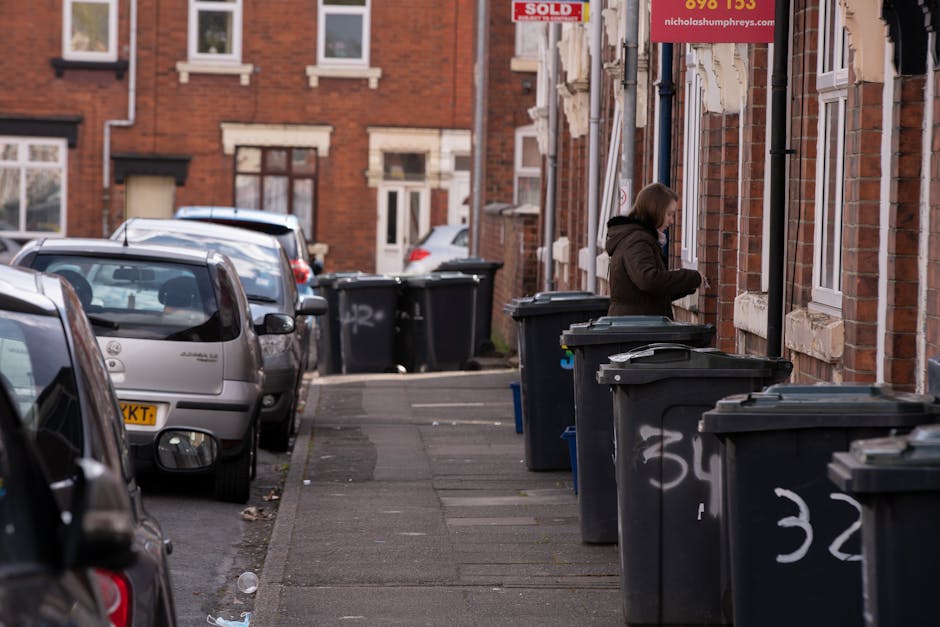
Emergency rubbish pickup for flats on Church Road Redhill
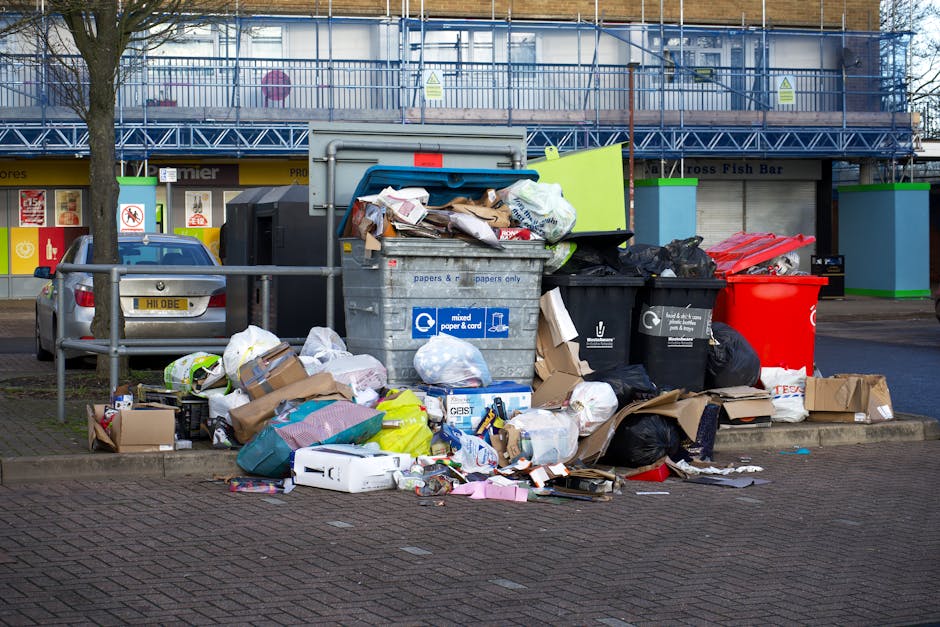
When rubbish starts building up in a flat block, things can go downhill fast. A missed collection, a broken bin store door, fly-tipped bags near the entrance, or a tenant move-out gone messy can turn a normal day into a bit of a headache. That is exactly where Emergency rubbish pickup for flats on Church Road Redhill becomes useful: a fast, practical way to clear urgent waste before it attracts complaints, smells, pests, or stress.
If you live in, manage, or maintain flats on Church Road Redhill, you probably already know the pattern. A few black bags appear in the wrong place. Then a bulky item gets left in the corridor. Then someone says, "I thought someone else was dealing with it." It happens. And in shared buildings, the problem tends to grow quicker than people expect. This guide explains how emergency rubbish collection works, who needs it, what to check before booking, and how to get the job done without making a small mess into a larger one.
Along the way, we will also cover sensible next steps for landlords, residents, block managers, and letting agents. If you need broader support for property waste issues, you may also find our pages on rubbish removal in Redhill, flat clearance, and house clearance helpful as background reading.
Why Emergency rubbish pickup for flats on Church Road Redhill Matters
Flats create a different waste problem from houses. Shared entrances, communal bin areas, narrow stairwells, and limited storage all make rubbish harder to ignore. One overflowing bin can affect an entire block, and once bags are left in hallways or near the pavement, you are dealing with more than inconvenience. You may be dealing with odour, vermin risk, blocked access, neighbour complaints, or even a temporary fire safety issue if escape routes are compromised.
For Church Road Redhill specifically, the practical issue is simple: flats need waste removed quickly, neatly, and with as little disruption as possible. Emergency collection matters because delay is rarely neutral. Left alone, waste spreads. People add to it. Boxes get wet. Food scraps leak. A couple of bags becomes a pile, and then a pile becomes a job nobody wants to touch. Truth be told, everyone in a shared property feels the pressure when that happens.
There is also a reputation angle. For landlords and block managers, the state of a bin store or shared entrance affects how residents feel about the building. It sounds small, but it matters. A clean, clear communal area helps keep relationships calmer, which is worth a lot on a busy street where people are coming and going all day.
If you are trying to keep a building running smoothly, emergency waste clearance sits alongside other practical property services such as commercial waste clearance and property clearance. Different jobs, same core principle: get the space back under control before the problem spreads.
How Emergency rubbish pickup for flats on Church Road Redhill Works
In most cases, emergency rubbish pickup is designed to be simple. You contact a local team, explain what needs removing, share access details, and arrange a collection time that suits the urgency of the situation. The faster the response, the more important the details become. A single blocked doorway or tight stairwell can change the whole plan, especially in flats.
Here is the usual flow:
- Describe the waste clearly. Mention whether it is bagged rubbish, furniture, mixed household waste, cardboard, tenancy clearance items, or something else.
- Explain access and location. Ground floor, upper floor, lift access, parking restrictions, controlled entry, or narrow communal routes all matter.
- Confirm urgency. Same-day, next-day, or timed collection depends on availability and the size of the load.
- Agree what will be removed. A decent provider will tell you what they can take and flag anything that needs separate handling.
- Book the pickup. Ideally with enough detail to avoid delay on arrival.
- Clear the route if possible. A little prep saves time, and time really is money in urgent jobs.
What makes flat pickups different is the movement of waste through shared areas. The team may need to carry items down stairs, around parked cars, or through a bin store with awkward access. In our experience, the smoothest jobs are the ones where the resident or manager has already thought about the route. Nothing fancy. Just a bit of common sense and a clear picture of the building.
For larger clearances, you may also want a service that can handle a mix of waste types in one visit. That is where related support like bulk waste removal and same-day rubbish removal can be especially useful. A good operator should be able to explain whether the job needs a full van load, a partial load, or multiple passes. Not every pile is the same, and that is fine.
Key Benefits and Practical Advantages
Emergency rubbish pickup is not just about speed. Speed matters, yes, but the real value comes from what that speed protects: hygiene, access, goodwill, and peace of mind. For a flat block, those are not small things.
- Fast restoration of shared spaces. Corridors, bin stores, and entrances can be put back into usable condition quickly.
- Less risk of complaints. Neighbours are less likely to escalate when the problem is being dealt with promptly.
- Reduced pest attraction. Food waste and loose bags can bring flies, foxes, and rodents if left too long.
- Better access and safety. Emergency pickups can remove trip hazards and clear escape routes.
- Cleaner first impressions. This matters for landlords, letting agents, and visitors alike.
- Less stress for residents. A quick solution can stop a small mess from becoming a major dispute.
There is another advantage that people overlook: decision fatigue. When rubbish piles up, everyone starts guessing. Who arranged the bins? Who pays? Is this a tenancy issue? Is it council collection day? A fast pickup ends the guessing, which is often half the battle. Honestly, sometimes that's the relief people are really buying.
For buildings where waste problems happen repeatedly, emergency collection can also act as a reset point. Once the immediate issue is gone, it becomes easier to improve storage, schedule regular pickups, or set clearer tenant instructions. That is the sort of practical follow-through that pays off later.
Who This Is For and When It Makes Sense
This type of service is for anyone who needs urgent removal of waste from flats, especially where shared access or building management makes self-clearance awkward. It is a strong fit for:
- Residents in flats who cannot wait for normal collection days
- Landlords dealing with end-of-tenancy waste
- Letting agents handling move-out or inventory issues
- Block managers responding to bin store overflow
- Housing associations or caretakers managing communal areas
- Owners of small apartment blocks with no on-site waste team
It makes sense when the waste is causing a current problem, not just an annoying one. For example, a few extra boxes in a storage cupboard may wait. Bags leaking in a hallway probably should not. A broken fridge left in a communal area? That is the kind of thing people notice immediately, and not in a good way.
The service is especially useful if the waste is bulky, awkward, or urgent. Maybe there has been a tenancy change and the departing occupier left items behind. Maybe a resident has had an emergency move and there are bags, broken furniture, and cardboard all in one place. Or maybe the bin store has been missed by the usual collector and now the situation has turned into a smell that hits you before you even open the door. You know the sort of thing.
If you are managing a wider turnover of property contents, related services like end-of-tenancy clearance and furniture removal may be the more complete option.
Step-by-Step Guidance
If you want the process to run smoothly, the best approach is to treat it like a quick operational task rather than a vague "get rid of this stuff" request. That one shift makes a big difference.
1. Identify exactly what needs clearing
Start by separating general rubbish, bulky items, recyclable cardboard, and anything that may need specialist handling. A mixed load is normal, but it helps to know what you are dealing with. If the pile includes mattresses, electrical items, or heavy furniture, mention that early.
2. Check access before booking
Flats can be simple or awkward. There may be parking restrictions, coded entry, a narrow staircase, or a lift that is out of order. Share whatever you know. It avoids delays and makes it more likely the team arrives with the right equipment and enough time.
3. Take a quick look for anything sensitive
It sounds obvious, but documents, keys, medication, valuables, and personal items sometimes end up in the same bag as ordinary waste. Before anything goes, do a short check. One minute now can save a much bigger hassle later. And yes, people do accidentally throw away important stuff. More than they like to admit.
4. Get a clear scope and price expectation
Ask what is included: labour, loading, transport, disposal, and any extra charge for awkward access. A good provider should explain this plainly. If the quote feels vague, ask for the missing bit. Clear pricing is especially important when the job is urgent, because urgency should not mean confusion.
5. Make the area as easy to work in as you can
If it is safe to do so, move cars, unlock gates, clear a small route, and keep pets or children away from the collection point. In a block setting, that little bit of cooperation helps everything move faster.
6. Confirm disposal is handled properly
You do not want waste just moved somewhere else and forgotten. Ask how the rubbish is taken away and what happens after collection. Responsible disposal matters, particularly for mixed household waste and items that cannot go in normal bins.
Practical takeaway: The fastest emergency collections are usually the ones with the simplest brief. Clear photos, clear access notes, and a clear list of items can save a surprising amount of time.
Expert Tips for Better Results
There are a few small habits that make emergency rubbish pickup easier, safer, and less expensive in the long run. None of them are complicated. That is the nice part.
- Send photos before the visit. Wide shots and close-ups help assess load size and access.
- Group waste by type. Even a rough separation of bags, cardboard, and bulky items speeds things up.
- Be honest about awkward access. If the lift is unreliable or the parking is tight, say so. No one likes surprises with a full van on site.
- Keep an eye on communal rules. Some blocks have specific instructions about timings, noise, or bin-store use.
- Think one step ahead. If the waste problem might repeat, ask about a follow-up or regular collection plan.
A useful local tip: if your building has repeated overflow after weekends or move-outs, schedule the pickup before the mess becomes visible to everyone. Early morning collections can be especially helpful in residential areas because they keep disruption lower. The van comes, the bags go, and the day carries on. Simple, really.
Another point worth remembering: a good team will work carefully around shared entrances and stairwells. That matters in flats where a scratched wall, a blocked corridor, or a knocked-over plant pot becomes a minor drama. You do not need drama. Nobody does.
Common Mistakes to Avoid
Emergency waste removal sounds straightforward, but a few common errors can create extra cost or extra stress. Some are small. Some are the sort you only make once.
- Waiting too long. The longer rubbish sits, the harder it is to manage and the more likely it is to cause odour or complaints.
- Underestimating access issues. "It's only a short walk" can become a long walk when there are stairs, locked doors, or no parking nearby.
- Mixing unknown items with ordinary waste. If anything sharp, electrical, or potentially hazardous is included, mention it before collection.
- Not checking what is actually included. Some jobs need labour, disposal, and loading all clearly agreed in advance.
- Forgetting communal responsibility. In flats, one person's rubbish issue can affect everyone, so communication matters.
A subtle one: people sometimes assume all removal services are the same. They are not. Some are better at urgent, access-heavy jobs in flats. Others are more suited to bulk clearances or scheduled collections. Matching the service to the situation saves a lot of back-and-forth.
If the waste is part of a move, refurbishment, or deeper declutter, it may be worth looking at supporting services like deep clearance or office clearance if the items came from a mixed-use property or home office setup.
Tools, Resources and Recommendations
You do not need a lot of equipment for an emergency pickup, but a few simple tools make the process much easier. Nothing glamorous here, just practical stuff.
- Phone camera: Use clear photos of the waste pile, access points, and any difficult stairways or entrances.
- Basic gloves and sturdy shoes: Useful if you are moving light items or sorting through what should and should not go.
- Bin bags and tape: Helps tidy loose waste so it is safer to lift and transport.
- Short notes list: Write down access codes, parking instructions, and item counts before you call.
- Labels or sticky notes: Handy for marking items that must stay, especially in shared flats.
For property managers, a simple waste log can be useful too. Not a fancy system. Just a note of when rubbish was removed, what the issue was, and whether the same problem has happened before. Over time, patterns become obvious. Maybe one bin store overflows every fortnight. Maybe certain moves always create bulky waste. That information helps with planning.
If you deal with mixed household contents regularly, services such as bereavement clearance or garden waste removal may also be relevant depending on the property type and situation. Different circumstances, same need for care and speed.
Law, Compliance, Standards, or Best Practice
Waste handling in the UK needs to be done properly, and in shared residential buildings it is sensible to be careful about both legality and practical responsibility. Without getting lost in legal jargon, the main point is this: rubbish should be collected, transported, and disposed of by people and processes that are appropriate for the type of waste involved.
For flats, best practice usually includes the following:
- Keep escape routes clear. Do not leave bags or bulky items where they could block access.
- Separate hazardous items. Batteries, chemicals, sharp objects, and electrical waste need extra care.
- Use responsible disposal routes. Waste should not be dumped, burned, or passed off casually.
- Respect building rules. Many blocks have quiet hours, access procedures, or bin-store rules that should be followed.
- Document recurring issues. This helps with resident communication and future planning.
If a job includes electrical items, fridges, or similar objects, ask how they are handled. For mixed loads, the important thing is not to guess. Better to check than to assume. That is true whether you are a tenant, landlord, or block manager.
It is also sensible to remember that some items may require specialist handling depending on condition and contents. You do not need to turn into a compliance expert overnight. Just ask direct questions and expect direct answers. That usually sorts it.
Options, Methods, or Comparison Table
Not every rubbish problem needs the same solution. A quick comparison helps make the decision clearer, especially when the situation is already a bit stressful.
| Option | Best for | Strengths | Limitations |
|---|---|---|---|
| Self-clearance | Small amounts of bagged waste | Can be low cost if you already have transport and time | Hard in flats, slow, physically awkward, and not ideal for bulky items |
| Scheduled collection | Routine, non-urgent waste | Predictable and simple when the problem is not immediate | Not suitable if the waste is already causing disruption |
| Emergency rubbish pickup | Urgent mess, overflow, fly-tipping, tenancy clear-outs | Fast, practical, and suited to access-heavy flat blocks | May cost more than a standard booking because of urgency and labour |
| Full flat clearance | Large amounts of mixed contents | Useful for major move-outs or whole-property clearances | Can be more than you need for a smaller waste issue |
In simple terms, if the issue is urgent and affecting shared living space, emergency pickup is usually the most efficient route. If the waste is minor and the timing is flexible, a scheduled approach may be enough. There is no prize for choosing the most dramatic option. Just pick the one that fits.
Case Study or Real-World Example
Imagine a small block of flats on Church Road Redhill where a tenant has moved out suddenly. The hallway is cluttered with black bags, flattened boxes, a broken chair, and a few items left in the bin area that should have gone days ago. By the next morning, one neighbour is already asking who is responsible, and someone else has noticed a smell building up in the warm air. Not ideal.
The block manager takes a simple approach. They photograph the waste, note that access is via a shared entrance with no on-site parking, and ask for emergency removal. They also check that anything personal is separated before collection. The team arrives with the right expectations, clears the waste carefully through the common parts, and leaves the area usable again. No fuss, no long delay, no awkward guesswork.
The real win here is not just the removal. It is the fact that the building returns to normal before irritation turns into a formal complaint. That is often what people want most from emergency rubbish pickup: a quiet reset. Not drama. Just done.
Related services like tenant clearance and residential clearance can be a good fit when the issue is part of a wider move-out or occupancy change.
Practical Checklist
Use this checklist before booking or during the lead-up to a pickup. It keeps things tidy and saves time on the day.
- Confirm the exact location of the waste
- Take clear photos of the items and access route
- Check whether the waste is bagged, loose, or bulky
- Remove valuables, documents, and personal items
- Note parking restrictions, lift access, and entry codes
- Tell the provider about heavy or awkward items
- Ask what is included in the quote
- Make sure communal areas remain clear and safe
- Keep residents informed if the building is shared
- Ask about any follow-up collection if the issue might recur
Quick expert summary: the smoother the brief, the faster the solution. In flat blocks, that is usually the difference between a tidy resolution and a day of annoying back-and-forth.
Conclusion
Emergency rubbish pickup for flats on Church Road Redhill is really about restoring order quickly and sensibly. In a shared building, waste is never just waste for long; it becomes a hygiene issue, a neighbour issue, and often a time issue too. The good news is that with a clear brief, honest access details, and the right kind of removal support, the problem can usually be sorted far faster than people expect.
Whether you are a resident dealing with a sudden pile-up, a landlord handling a tenancy change, or a block manager trying to keep communal spaces respectable, the same principles apply: act early, be specific, and choose a service that understands flats properly. Small effort up front. Big relief after. And yes, that relief counts for a lot.
If you are ready to deal with the mess before it becomes everybody's problem, take the next step now.
Get a free quote today and see how much you can save.
Sometimes the best thing you can do is simply get the space back to calm. Everything feels easier after that.
Frequently Asked Questions
What counts as emergency rubbish pickup for flats on Church Road Redhill?
It usually means urgent removal of waste from a flat, block, or communal area where normal collection timing is not good enough. That might include overflowing bags, bulky items in shared spaces, tenancy leftovers, or waste creating odour or access problems.
How fast can an emergency rubbish collection usually happen?
Timing depends on availability, access, and the size of the job. Some pickups can be arranged the same day or next day, but it is best to ask as soon as possible, especially if the waste is affecting communal areas.
Do I need to sort the rubbish before collection?
Basic sorting helps, but it does not have to be perfect. If possible, separate general rubbish from bulky items and any electrical or potentially hazardous waste. A quick photo and a short description usually help more than a flawless sort.
Can emergency rubbish pickup handle bulky furniture from a flat?
Yes, if the service offers bulky item removal. Always mention stairs, lifts, narrow corridors, and parking issues so the team can judge the access properly. That detail matters more than people think.
Is emergency rubbish pickup more expensive than normal collection?
It can be, because urgent response and labour-intensive access often cost more than a routine pickup. The exact price depends on load size, access, and what needs disposing of. A clear quote is the safest way to compare.
What should I do if rubbish is blocking a communal hallway?
Act quickly. Keep the area safe, avoid moving heavy or sharp items without proper care, and arrange removal as soon as possible. Shared hallways should not be left obstructed, particularly if they affect access or fire safety.
Can landlords or managing agents book on behalf of residents?
Yes, and in many cases that is the most practical route. Landlords, agents, and block managers often book emergency rubbish pickup when they need to deal with end-of-tenancy waste or communal overflow.
What happens if the waste includes electrical items or fridges?
Say so upfront. Electrical items and appliances may need separate handling. A responsible provider will tell you what can be taken and whether anything needs special processing. Better to mention it early than leave it to guesswork.
How do I prepare my flat block for a pickup?
Take photos, note access details, remove personal items, and keep communal areas clear. If there is a locked entrance or parking restriction, share that information before the team arrives. A few minutes of prep can save a lot of time.
Is emergency rubbish pickup suitable for recurring waste problems?
Yes, but recurring problems should also be looked at more broadly. If the same bin store keeps overflowing, it may be worth reviewing collection frequency, resident instructions, or storage arrangements. The pickup solves the immediate issue; the pattern may need a second look.
What if I only have a small amount of rubbish but it is urgent?
That can still justify emergency collection if the waste is causing a real problem, such as blocking access, creating smell, or affecting shared areas. Urgency is not only about volume. Sometimes a few bags are enough.
Can emergency rubbish pickup help after a tenant move-out?
Yes. Move-outs are one of the most common reasons people need fast flat clearance. Left-behind bags, boxes, and furniture can be removed quickly, which helps return the property to a usable state without a long delay.
What is the best first step if I need this today?
Gather a few photos, write down the access details, and contact a local provider with a clear description of what needs removing. The clearer you are at the start, the more likely you are to get a quick, useful response.